International Overdose Awareness Day is recognized every year on August 31 as a time to remember those lost to overdose, support grieving families, reduce stigma, and raise awareness that overdose is preventable.
For many families, this day is not abstract. It is personal. It may bring up the name of a son, daughter, parent, sibling, spouse, friend, or loved one whose life ended too soon. It may also speak to someone who is still using, someone who has survived an overdose, or someone who is afraid that the next relapse could become fatal.
At Arizona Christian Recovery Center, we believe every life has value. Overdose awareness is not only about statistics. It is about people made in the image of God, families carrying grief, and the urgent need for compassion, prevention, and treatment.
Why International Overdose Awareness Day Matters
Overdose remains one of the most painful realities connected to substance use and addiction. According to the CDC, approximately 105,000 American lives were lost to drug overdose in 2023. Even as national overdose deaths have started to decline, the need for awareness, prevention, and treatment remains urgent.
Here in Arizona, the impact is close to home. Maricopa County reported 1,500 fatal overdoses among residents in 2024 using CDC-comparable methodology. These are not just numbers. Each one represents a person, a family, and a story that mattered.
International Overdose Awareness Day gives people space to grieve without shame. It also reminds communities to speak honestly about addiction, relapse, fentanyl, overdose risk, and the need for real support.
Overdose Awareness Is About People, Not Labels
The way we talk about addiction matters.
A person is not “just an addict.” They are a son, daughter, mother, father, friend, neighbor, and soul deeply loved by God. Addiction may be part of their story, but it is not the whole story.
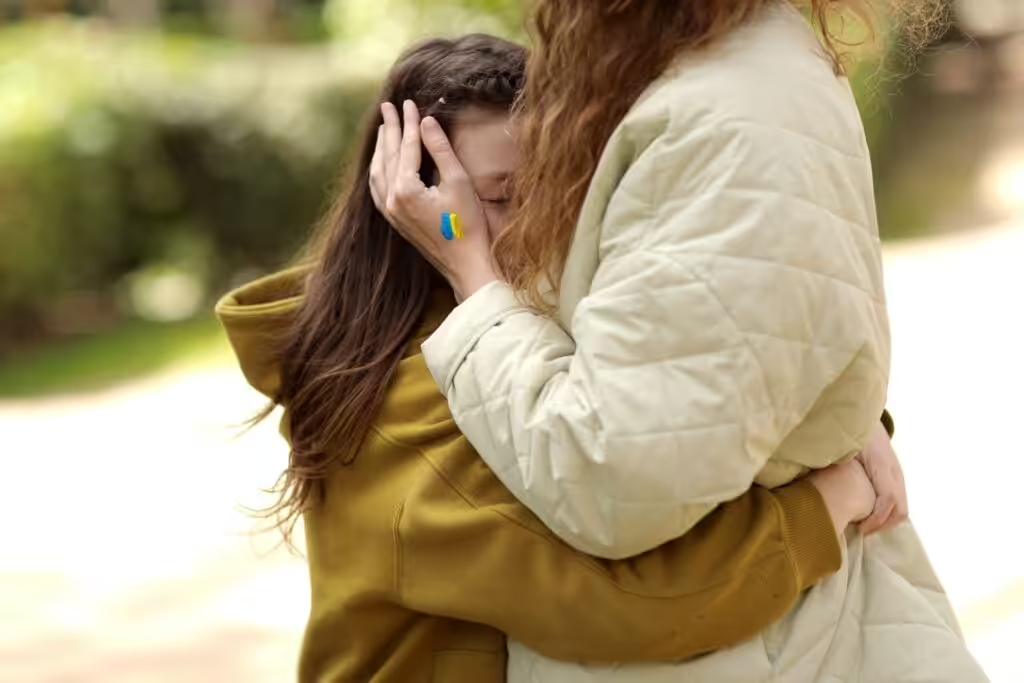
Stigma can keep people silent. When someone is afraid of being judged, they may hide substance use instead of asking for help. When families feel ashamed, they may wait too long to reach out. But silence does not prevent overdose. Honest, compassionate action can.
Reducing stigma does not mean ignoring the seriousness of addiction. Substance use can damage health, relationships, trust, mental health, and spiritual life. But shame alone does not create healing. People need truth, accountability, clinical care, spiritual support, and a safe place to begin again.
Overdose Is Preventable
One of the most important messages of International Overdose Awareness Day is that overdose is preventable.
Prevention can include education, early intervention, naloxone access, safer conversations, family support, relapse-prevention planning, and treatment. If someone may be overdosing, call 911 immediately. Signs of overdose can include slowed or stopped breathing, blue or gray lips, choking or gurgling sounds, unconsciousness, or being unable to wake the person.
Naloxone can reverse an opioid overdose and may save a life, but emergency care is still needed. You can learn more from the CDC’s overdose prevention resources.
Prevention also means taking substance use seriously before it becomes a crisis. If someone is using opioids, pills, fentanyl, heroin, meth, cocaine, alcohol, or multiple substances, the risk can increase quickly. Relapse after sobriety can also be dangerous because the body may no longer tolerate the same amount of a substance.
Why Relapse Can Increase Overdose Risk
Relapse should always be taken seriously. After a period of sobriety, a person’s tolerance may be lower. Returning to the same amount of a substance they used before can increase the risk of overdose.
Relapse can also happen when someone is overwhelmed by grief, trauma, stress, anxiety, depression, loneliness, or spiritual discouragement. A person may not want to return to substance use, but old patterns can feel powerful when the right support is not in place.
This is why recovery needs structure. Prayer matters deeply, but people also need practical support. They need accountability, therapy, coping skills, relapse-prevention planning, and a safe recovery community.
A relapse does not mean someone is beyond help. It means the recovery plan may need more support, more structure, or a higher level of care.
Faith, Compassion, and Recovery
Christian recovery should never be rooted in condemnation. It should be rooted in truth and grace.
Addiction is serious, but shame is not the same as healing. Many people struggling with substance use are also carrying trauma, grief, mental health symptoms, family wounds, or spiritual emptiness. Real recovery creates space to bring those things into the light.
Faith-based recovery helps people address the whole person: mind, body, and spirit. The goal is not only to stop using substances. The goal is restoration.
That restoration can include rebuilding trust, learning new coping skills, healing from trauma, growing in faith, repairing relationships, and finding a new way to live. Recovery is not always instant, but with the right support, change is possible.
When Treatment Can Help
Treatment can help when substance use has become difficult to control, relapse keeps happening, or overdose risk is present. It can also help when addiction is connected to trauma, depression, anxiety, grief, or other mental health concerns.
At Arizona Christian Recovery Center, treatment is designed to support healing of the whole person. Depending on a person’s needs, care may include inpatient detox services, residential treatment, a Partial Hospitalization Program, an Intensive Outpatient Program, evidence-based therapy, and faith-based counseling.
Treatment is not a sign of failure. It is a step toward safety, stability, and freedom.
What Families Can Do
Families often feel helpless when someone they love is struggling with addiction. While you cannot force another person to heal, you can still take meaningful steps.
You can learn the signs of overdose. You can keep naloxone available if opioids are involved. You can speak honestly without cruelty. You can stop covering up the consequences of addiction while still showing love. You can encourage treatment before the next crisis happens.
You can also seek support for yourself. Addiction affects the whole family, and the fear of losing someone to overdose can be exhausting. You do not have to carry that fear alone.
Remembering Lives While Choosing Hope
International Overdose Awareness Day holds two truths together.
We grieve the lives lost.
We fight for the lives still here.
Remembering those who have died from overdose should move us toward compassion and action. It should remind us to speak sooner, love wisely, reduce shame, and help people find treatment before it is too late.
For someone currently struggling with addiction, this day can become a turning point. It can be the moment they realize their life is worth saving. It can be the moment a family chooses to stop waiting and start seeking help.
No one is too far gone for help. No person struggling with addiction should be treated as disposable. Recovery is possible, and support is available.
Arizona Christian Recovery Center Is Here to Help
If you or someone you love is struggling with drug addiction, relapse, or overdose risk, Arizona Christian Recovery Center is here to help. Our Christ-centered addiction treatment programs provide compassionate support for healing of the mind, body, and spirit.
We offer faith-based care, clinical treatment, therapy, relapse-prevention support, and multiple levels of care to meet individuals where they are in the recovery process. Whether you need detox support, residential treatment, PHP, IOP, or continued recovery guidance, our team can help you understand the next step.
International Overdose Awareness Day reminds us that every life matters. If addiction has placed your life or your loved one’s life at risk, now is the time to reach out.
Contact Arizona Christian Recovery Center today to speak with our team, verify insurance, and learn more about faith-based addiction treatment in Arizona.