


The 12 steps of recovery are one of the most widely recognized frameworks in addiction recovery. Originally created by Alcoholics Anonymous, the 12 steps are designed to help people move out of denial, take an honest look at their lives, accept support, and build a healthier path forward.
For many people, the 12 steps are the first time recovery becomes more than just wanting to quit. They create structure. They encourage accountability. They push people to be honest about addiction, its impact, and the changes needed to support lasting recovery.
At the same time, the 12 steps are not just about stopping alcohol or drug use. They are about personal change, responsibility, humility, and learning how to live differently over time.
Why the 12 Steps Still Matter
The 12 steps have remained central to recovery for decades because addiction often thrives in the same conditions:
- Denial
- Secrecy
- Isolation
- Shame
- Blame
- Self-deception
- The false belief that things are still under control
The 12 steps challenge those patterns directly. They ask people to stop minimizing the problem, admit what addiction has done, accept help, and keep moving forward with greater honesty and accountability.
That is part of why the 12 steps still matter. They offer a recovery framework that is practical, reflective, and built around real change rather than quick fixes.
Where the 12 Steps Come From
The 12 steps originated with Alcoholics Anonymous, or AA, in the 1930s. They were created as part of a recovery model for people struggling with alcohol addiction, but over time they influenced many other recovery programs as well.
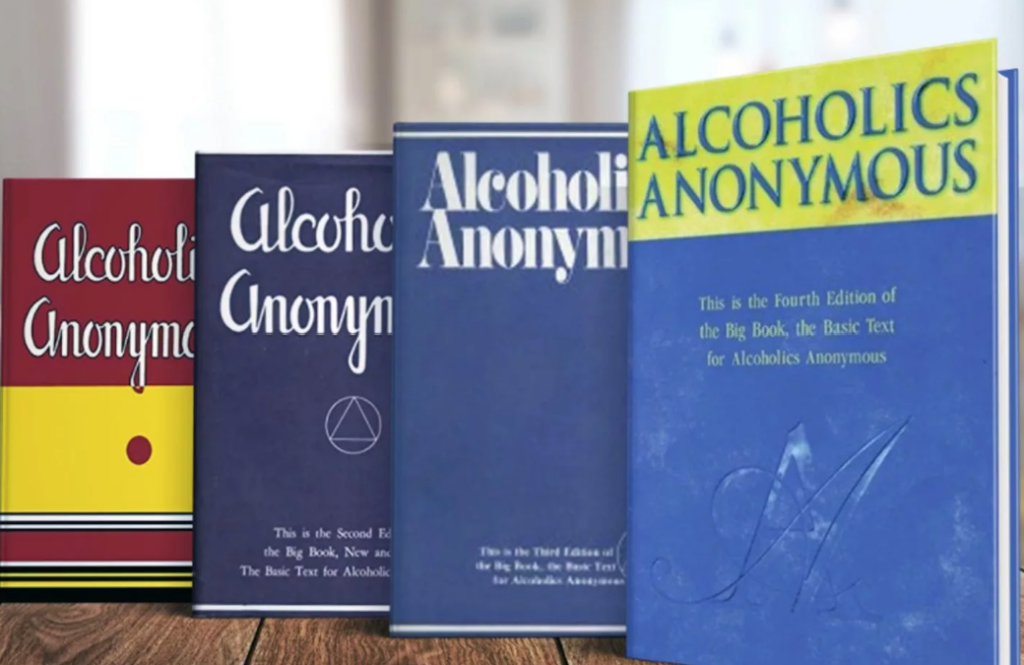
Today, 12-step principles are commonly used in programs connected to alcohol addiction, drug addiction, and other compulsive behaviors. Even people who are not active in AA often recognize the language of the steps because they have become so closely associated with recovery itself.
Are the 12 Steps Religious?
This is one of the most common questions people ask.
The 12 steps are generally considered spiritual, but not tied to one specific denomination. They refer to a Higher Power and include ideas like surrender, humility, prayer, reflection, and helping others. For some people, that feels meaningful and grounding. For others, it can feel unfamiliar at first.
What matters is that the 12 steps are not meant to be a theology course. They are meant to help people move beyond self-reliance, isolation, and denial. Many people relate to the spiritual side of the steps in different ways, especially early in recovery.
The 12 Steps of Recovery
Here are the 12 steps in their traditional form:
- We admitted we were powerless over alcohol and that our lives had become unmanageable.
- Came to believe that a Power greater than ourselves could restore us to sanity.
- Made a decision to turn our will and our lives over to the care of God as we understood Him.
- Made a searching and fearless moral inventory of ourselves.
- Admitted to God, to ourselves, and to another human being the exact nature of our wrongs.
- Were entirely ready to have God remove all these defects of character.
- Humbly asked Him to remove our shortcomings.
- Made a list of all persons we had harmed, and became willing to make amends to them all.
- Made direct amends to such people wherever possible, except when to do so would injure them or others.
- Continued to take personal inventory and when we were wrong promptly admitted it.
- Sought through prayer and meditation to improve our conscious contact with God as we understood Him, praying only for knowledge of His will for us and the power to carry that out.
- Having had a spiritual awakening as the result of these steps, we tried to carry this message to others with alcohol problems, and to practice these principles in all our affairs.
What Each Step Means
The 12 steps are often listed quickly, but people usually understand them better when each one is explained in plain language.
Step 1: Admitting the Problem
The first step is about honesty. Recovery usually does not begin until a person is able to admit that alcohol or drug use has become unmanageable.
This step matters because addiction often survives through denial. As long as someone is still minimizing the problem, blaming other people, or insisting they can stop anytime, real change is hard to begin.
Step 2: Believing Help Is Possible
The second step is about hope. It asks a person to believe that change is possible and that help outside of themselves can make a difference.
For many people, this is the moment recovery becomes more than just trying harder. It is the point where they begin to consider that healing may require support, guidance, and a new way of thinking.
Step 3: Letting Go of Total Control
The third step is about surrender. It asks a person to stop trying to control everything alone and to trust a process larger than their own willpower.
This step can be difficult because addiction often exists alongside pride, fear, and the need to stay in control. Letting go does not mean giving up. It means becoming willing to move forward differently.
Step 4: Taking an Honest Inventory
The fourth step is about self-examination. It asks a person to take a serious, honest look at their patterns, actions, resentments, fears, and harmful behaviors.
This step helps people move beyond surface-level recovery. It pushes them to look at what has shaped their addiction and what needs to change.
Step 5: Bringing It Into the Open
The fifth step is about confession and accountability. It involves admitting wrongs openly rather than keeping them hidden.
Addiction often grows stronger in secrecy. This step helps break that pattern by bringing truth into the open and creating space for accountability.
Step 6: Becoming Ready to Change
The sixth step is about willingness. It is one thing to admit harmful patterns. It is another to become ready to let them go.
This step focuses on openness to deeper change, not just behavior change on the surface.
Step 7: Humility
The seventh step is about humility. It asks a person to stop relying on ego, excuses, or self-justification and become willing to grow in a different direction.
Humility matters in recovery because addiction often depends on distortion, defensiveness, and the refusal to face reality honestly.
Step 8: Recognizing the Harm Done
The eighth step asks a person to make a list of people they have harmed and become willing to make amends.
This step shifts recovery outward. It reminds people that addiction does not only affect the person using. It often impacts spouses, children, parents, friends, coworkers, and others.
Step 9: Making Amends
The ninth step is about action. It involves making direct amends when possible, as long as doing so would not cause more harm.
This step is not about performative guilt. It is about responsibility, repair, and learning to live with greater integrity.
Step 10: Ongoing Honesty
The tenth step reminds people that recovery is not a one-time breakthrough. It requires continued self-awareness and the willingness to admit when something is off.
This step helps prevent old patterns from quietly rebuilding over time.
Step 11: Reflection and Spiritual Growth
The eleventh step focuses on prayer, meditation, and growing in conscious awareness and spiritual clarity.
For many people, this step creates a more grounded daily rhythm. It helps recovery become part of everyday life rather than something only talked about in moments of crisis.
Step 12: Helping Others
The twelfth step is about carrying the message forward. It encourages people to support others in recovery and live out these principles in daily life.
This step matters because helping others can reinforce personal growth and remind people that recovery is not only about getting sober. It is also about living differently.
How the 12 Steps Help People in Recovery
The 12 steps help people by creating a framework for change that goes beyond simply quitting.
They support recovery by encouraging:
- Honesty
- Humility
- Accountability
- Self-reflection
- Personal responsibility
- Community support
- Long-term growth
- Daily consistency
For some people, the steps also give language to things they have never said out loud before. They help connect addiction to deeper patterns, damaged relationships, and the need for a different way of living.
Are the 12 Steps Enough on Their Own?
Sometimes yes, but not always.
The 12 steps have helped many people build strong, lasting recovery. At the same time, some people need more support than meetings and step work alone can provide.
That is especially true when someone is dealing with:
- Severe addiction
- Relapse patterns
- Trauma
- Depression
- Anxiety
- Co-occurring mental health struggles
- Unsafe withdrawal risks
- Unstable home environments
- A need for more structure and clinical support
In those situations, recovery often requires more than insight and community alone. It may also require detox, therapy, residential care, structured outpatient treatment, or a more comprehensive treatment plan.
Recovery Often Requires the Right Level of Support
The 12 steps can be a meaningful part of recovery, but they are not the only part.
For some people, meetings are a strong starting point. For others, addiction has affected daily life, mental health, relationships, and physical stability in ways that call for a higher level of care.
That is where treatment can make a real difference.
A strong recovery plan often includes a combination of:
- Structure
- Counseling
- Therapy
- Support groups
- Relapse prevention
- Accountability
- Continued care over time
At Arizona Christian Recovery Center, recovery is approached with that bigger picture in mind. The goal is not just to stop the behavior for a short time. The goal is to help people build real stability and a path forward that lasts.
Getting Support for Recovery
The 12 steps have helped many people begin the work of recovery by creating a path built on honesty, responsibility, and change.
But recovery is not one-size-fits-all.
Some people need meetings. Some need treatment. Some need both.
If addiction is affecting your life and you need more structure, support, and guidance than you have right now, Arizona Christian Recovery Center can help you better understand your options and take the next step toward recovery.